
How Local Electricians Can Safely Modernize Old Wiring
By Alan Wilkins | May 27, 2026
The safety and efficiency of electrical systems in older homes are crucial. Many homes built several decades ago still use outdated wiring that may not meet current safety standards. Local electricians play a pivotal role in modernizing these systems to prevent potential hazards and enhance functionality. By understanding the complexities involved and employing safe techniques, electricians can effectively upgrade old wiring while minimizing risks.
The Challenges of Old Wiring
Old wiring systems often present a myriad of challenges that electricians must navigate. Common issues include brittle insulation, inadequate grounding, and outdated materials like aluminum or cloth-covered wires. These factors can lead to frequent electrical failures and pose significant safety risks. Furthermore, the differences in materials and construction techniques used in older homes can complicate modernization efforts. Electricians must be adept at identifying these issues to plan effective solutions.
Safety hazards associated with old wiring are a major concern for homeowners and local electricians alike. Outdated systems may not be able to handle the increased electrical demand of modern appliances and devices. According to This Old House, older homes frequently have 60-amp to 100-amp service, making them prone to electrical problems since it's no longer adequate for today's needs. The risk of electrical fires is heightened in such scenarios, necessitating prompt action. Electricians must prioritize safety when assessing and upgrading these systems.
Recognizing signs of wiring deterioration is key to preventing potential disasters. Symptoms such as flickering lights, frequent breaker trips, and discolored outlets indicate underlying problems. Compliance with regulatory standards is essential to verify that modernization efforts meet safety codes and legal requirements. Electricians must stay informed about the latest regulations to perform upgrades responsibly.
The Initial Assessment and Planning
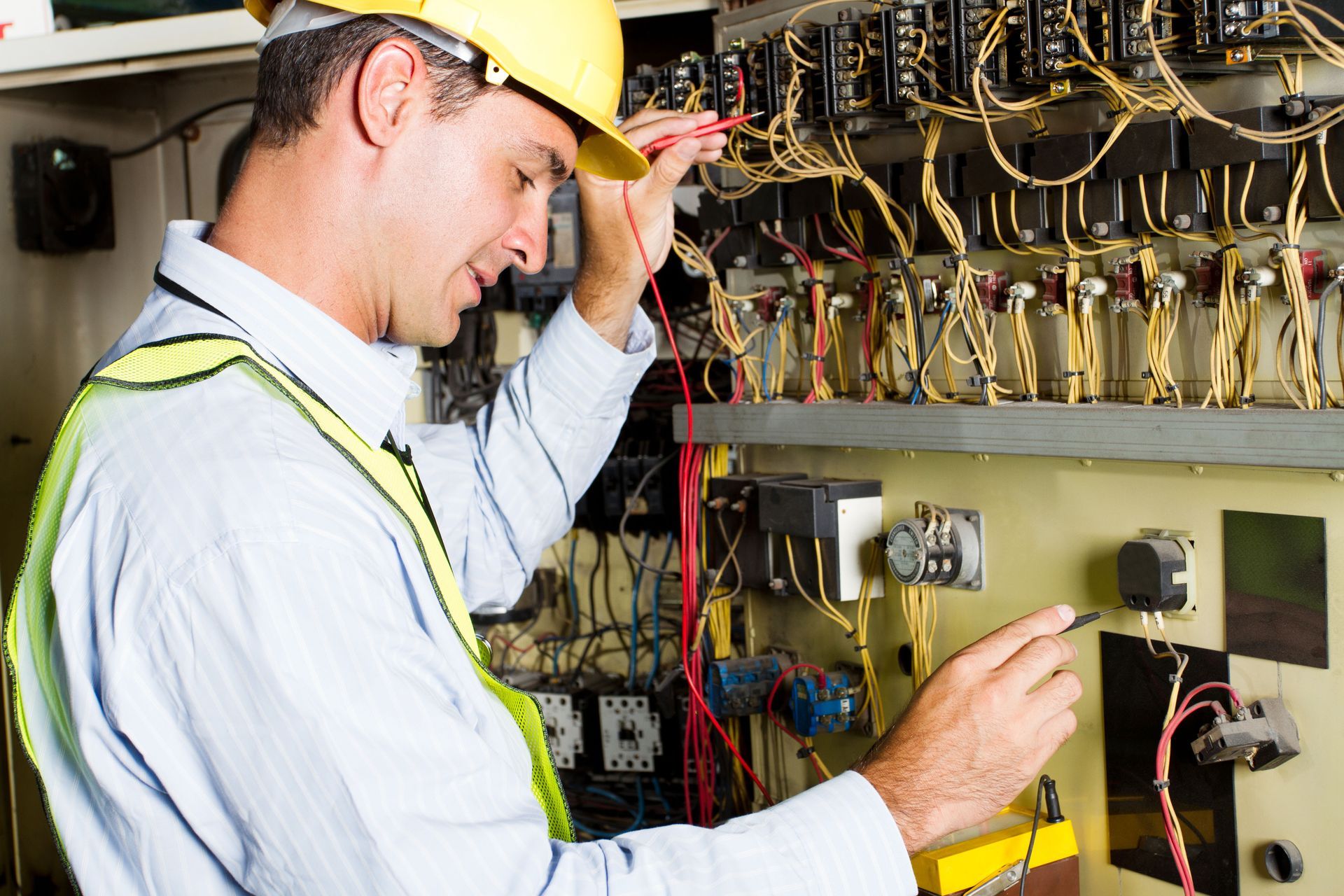
Conducting a thorough inspection is the first step in the modernization process. Electricians must examine the existing wiring system to understand its condition and identify any immediate hazards. This involves checking connections, inspecting insulation, and testing for continuity. A comprehensive evaluation helps electricians create a tailored plan for upgrading the system. Without this crucial step, unforeseen issues may arise during the modernization process, potentially compromising safety.
Evaluating electrical load requirements is essential to check that the new system can support modern devices. Electricians must calculate the total load to determine the appropriate capacity for the upgraded wiring. This step is vital in preventing overloading, which can lead to electrical failures or fires. By designing a safe modernization plan that accommodates current and future needs, local electricians can provide homeowners with a reliable and efficient system.
Cost estimation and budgeting are important considerations for both electricians and homeowners. Accurate cost assessments allow homeowners to plan financially for the upgrade. Obtaining necessary permits is another critical aspect of the planning process. Electricians must ensure that all work complies with local regulations and obtain the required approvals before commencing any upgrades. This not only supports legality but also guarantees that the work meets established safety standards.
The Right Materials and Tools
Choosing modern wiring materials is essential for enhancing the safety and efficiency of an electrical system. Electricians must select materials that offer durability, reliability, and compliance with current standards. Copper wiring is often preferred for its superior conductivity and resistance to corrosion. Additionally, electricians must consider the benefits of using insulated cables and fire-retardant materials to mitigate risks.
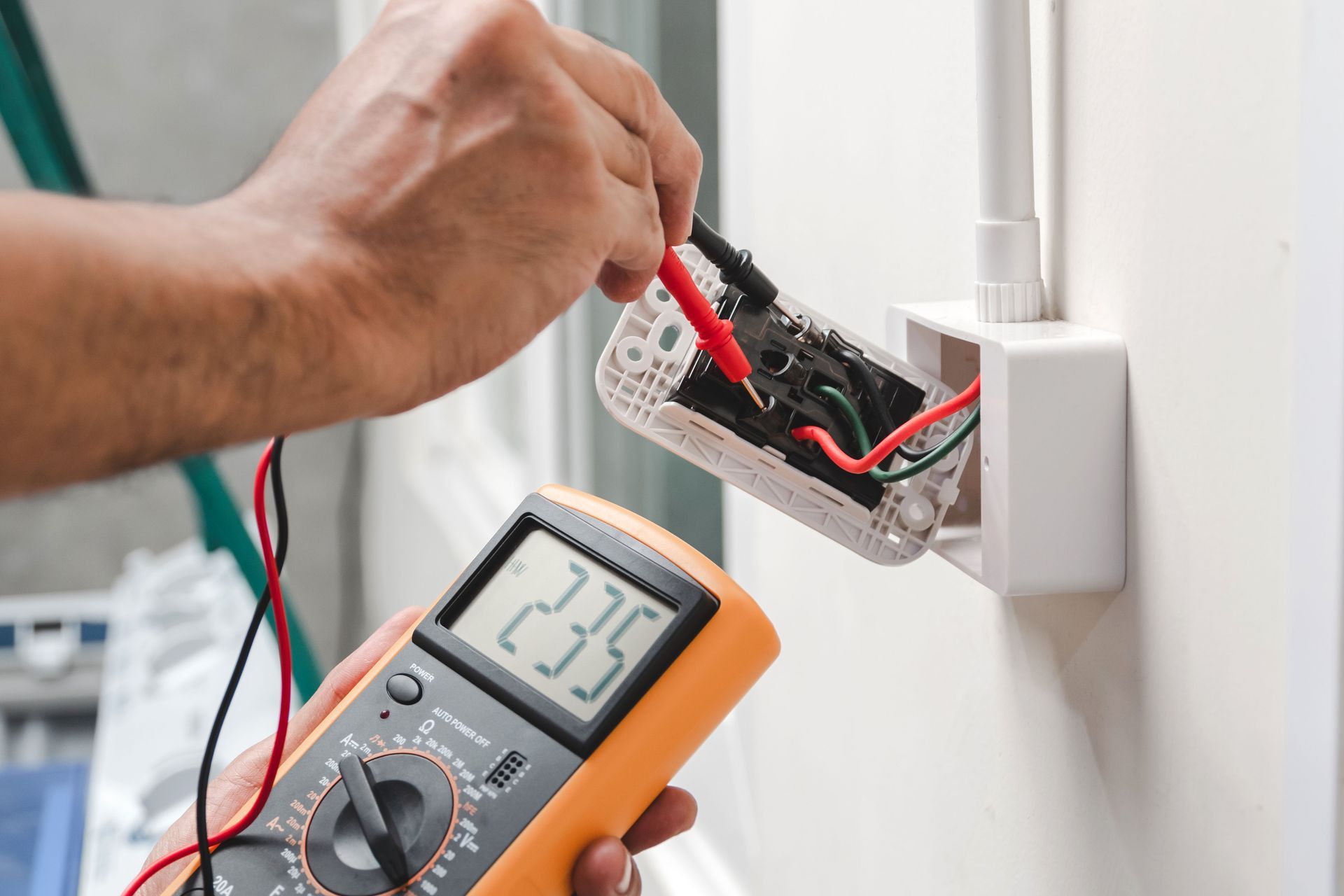
Having the right tools is crucial for local electricians to perform their work safely and efficiently. Essential tools include wire strippers, multimeters, and voltage testers. These tools help electricians perform precise installations and troubleshoot issues effectively. Safety gear, such as gloves and goggles, is also necessary to protect electricians from potential hazards.
Sourcing quality materials is paramount to the success of any modernization project. Electricians must establish reliable supply chains to obtain materials that meet industry standards. Eco-friendly and sustainable options are increasingly popular as homeowners seek to minimize their environmental impact. Electricians can recommend green materials that offer energy efficiency and reduced waste.
The Safety Techniques to Remove Old Wiring
Before removing old wiring, electricians must take precautionary steps to maintain safety. This includes turning off the power at the main breaker and testing for live wires. Proper labeling of wires is essential to avoid confusion during the removal process. Electricians must also be aware of any hazardous materials, such as asbestos, that may be present in older homes.
Safe disconnection methods are crucial to prevent accidents and damage to the electrical system. Electricians should use appropriate tools and techniques to disconnect wires without causing harm. Handling hazardous materials requires technical knowledge and protective equipment. Electricians must follow established protocols for removing and disposing of such materials safely.
Disposing of old wiring responsibly is an important aspect of modernization projects. Electricians must comply with local regulations regarding the disposal of electrical waste. This may involve recycling metals and safely discarding insulation materials. Minimizing disruption to homeowners during the removal process is also a priority. Electricians can achieve this by maintaining clear communication and adhering to scheduled timelines.
The Installation of New Wiring Systems
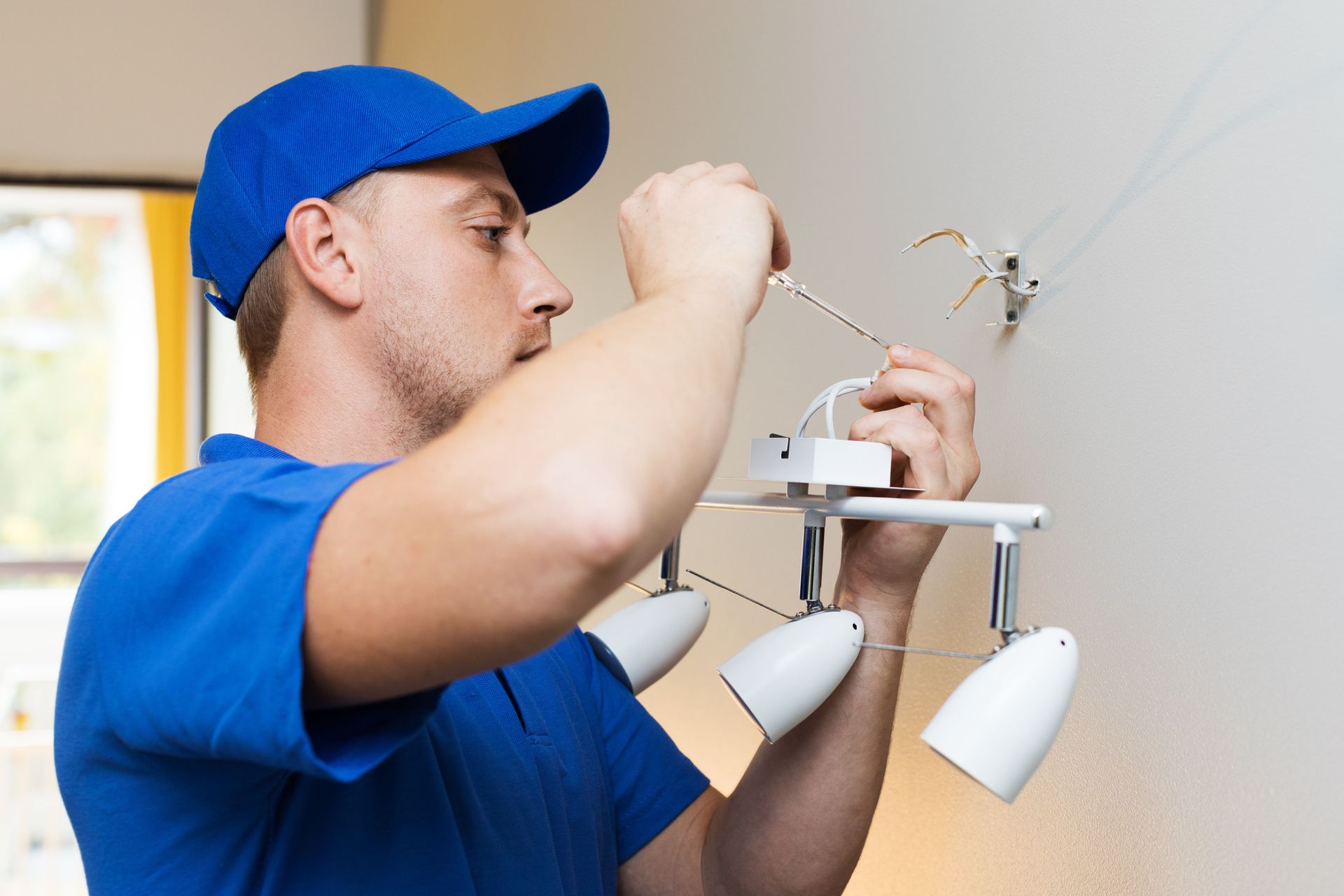
The installation of new wiring systems requires careful planning and execution. Electricians must follow a step-by-step process to maintain accuracy and compliance with safety standards. This includes measuring and cutting wires, securing connections, and testing for continuity. Compatibility with modern devices is essential to meet the demands of today's technology-driven households.
Efficient installation techniques are crucial for minimizing time and labor costs. Electricians can use methods such as pre-wiring and employing modular components to streamline the process. Testing and verification are critical steps to keep the new system operating safely and effectively. Electricians must conduct thorough inspections and perform tests to confirm the integrity of the installation.
Providing homeowners with detailed documentation of the installation enhances transparency and accountability. This includes diagrams, test results, and warranty information. Electricians should also educate homeowners on the features and capabilities of their new electrical system. By empowering homeowners with knowledge, local electricians foster a sense of confidence and satisfaction.
The Post-Installation Safety Checks and Maintenance
Conducting final safety inspections is essential to verify that the new system meets all safety standards. Electricians must verify that all connections are secure and that the system operates as intended. Educating homeowners on maintenance practices is crucial for long-term safety and performance. Electricians can provide guidance on routine checks and signs of potential issues.
Scheduling regular safety audits is an effective way to maintain the integrity of the electrical system. Electricians can establish maintenance schedules that align with the homeowner's needs and preferences. Troubleshooting common issues, such as flickering lights or tripped breakers, is an important aspect of ongoing maintenance.
Updating homeowners on new safety standards and technologies is a key responsibility of local electricians. This includes informing them of any changes in regulations or advancements in electrical systems. By staying informed, homeowners can make informed decisions about future upgrades or maintenance needs. Electricians play a vital role in keeping homeowners aware of the latest safety practices.
Modernizing old wiring is a complicated but essential task for promoting the safety and functionality of electrical systems in older homes. Local electricians play a pivotal role in executing these upgrades with precision and care. By understanding the challenges, using the right materials, and employing safe techniques, electricians can deliver reliable and efficient solutions. Partner with A Wilkins Electric today to secure dependable, expert electrical services tailored to your unique needs.
Share On: